

This Sunday, 13 September 2026, the Catholic Church in Australia marks Safeguarding Sunday at the conclusion of National Child Protection Week.
Safeguarding Sunday is an important day to acknowledge and pray for those who have been abused in a Church setting, and to pray for their families and supporters.
The Diocese of Parramatta offers its unreserved and deepest apologies to survivors of abuse and their families for the hurt and suffering this abuse has caused throughout their lives. We are absolutely committed to ensuring that no child or vulnerable adult entrusted to our care is ever harmed again.
As part of our commitment to Safeguarding, the Diocese also recognises that the road to healing is a long one that requires dedicated resourcing and support.
Lorena Portocarrero is the Diocese’s Healing and Support Counsellor. She started with the Diocese in 2025 and had time to sit with us to describe her work.
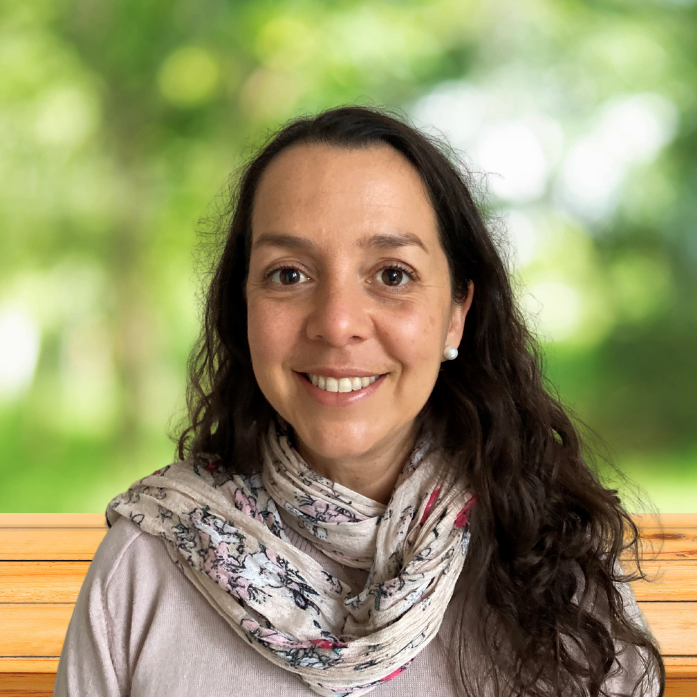
Lorena Portocarrero, Healing and Support Counsellor in the Diocese of Parramatta’s Safeguarding Office. Image: Supplied
Q. Can you tell us a little about your role as a Healing Support Counsellor and the people you support?
As a Healing and Support Counsellor, my role is to provide therapeutic, pastoral or spiritual support to anyone who has experienced harm in the Church. We follow a person-centred approach, which means welcoming, listening and assisting each person according to their circumstances and needs.
I work with people who have been directly affected by abuse, with their families – who can also be greatly impacted – and with others who may have been affected by harm they have witnessed or learnt about.
This might look like providing direct support or helping someone access tools, resources and other pathways towards healing and recovery.
Q. What does “healing” mean in the context of your work with people who have experienced harm or trauma?
Each person and their experience of trauma is unique, so healing can mean something different for each person. The wounds may not disappear, but healing can mean finding hope and finding ways to integrate what has happened into one’s story.
It can happen through the experience of being heard and welcomed. It can mean being able to face painful memories and walk towards greater freedom or gaining a sense of agency in one’s own life. It might mean taking steps towards better health or greater stability and, for some people, reconnecting with their faith or relationship with God. Or it might be something else.

Image: Shutterstock
Q. What are some of the reasons a person might reach out for support, perhaps many years after an experience of abuse or harm?
It is very common for people who have experienced trauma to reach out many years after their painful experiences. Each person may have their own reasons. Sometimes they might feel ashamed, even though they were the ones who were wronged. They may fear that they will not be heard or believed, or that their story does not matter.
Retelling difficult experiences can also be incredibly painful. Saying things out loud can make them feel very real, and that can be scary. And when the harm happened in a Church context, the person may understandably not feel that the Church is a safe place.
We want to offer a space where people feel safe, welcomed, heard and respected, and where they know that they and their experiences truly matter.
Q. What do you wish people understood about the journey of healing after experiencing abuse or harm?
Healing is very personal. There is a time and a process for each person, and that process can be difficult and can take a long time.
Being harmed by abuse in a faith context is a very serious thing. It can affect a person deeply, and the impact can be wide, affecting their families and friends. I think we need to understand the complexity of this and approach people with care, compassion and respect, without assuming what healing should look like for them.

Image: Envato
Q. What gives you hope in your work? Are there moments when you see the difference that support can make in someone’s life?
What gives me hope and purpose in my role is my certainty that God is the healer, and our work is to be instruments of His grace. I also find hope in seeing the Church, and particularly our Diocese, committed to offering support with humility, love and respect.
Sometimes just being heard, having a space to speak and process experiences, can make a difference. Some people have also commented on the importance of knowing that the Church is willing to provide this kind of support, and that not everything needs to be about a legal process.
Q. What have you learned from the people you have accompanied on their healing journeys?
I have learnt that the impact of abuse can be very wide. It does not only affect the person who was directly harmed; it can also deeply affect wives, husbands, children, children-in-law and others close to them.
I have also learnt how resilient people can be. People can endure and carry wounds for many years that may be invisible to others. There is something about that resilience that gives me hope.
Q. Why is it important for the Church not only to prevent abuse, but also to walk alongside those who have been hurt and support their journey towards healing?
The Church is meant to be a safe place for growth and flourishing, where each person is supported to live fully according to their vocation as a child of God, where their dignity and freedom are respected and celebrated, and where God’s love and truth are at the centre of all we do.
When someone is harmed by a representative of the Church, we have failed in that calling, and the impact on a person’s life can be profound.
As a Church, we are called to walk alongside those who suffer, all the more when someone has been hurt within a Church context. We also recognise that many people have lost trust in the Church because of the harm that has been done.
We need to approach this with humility and a genuine commitment to people’s healing and wellbeing. Our hope is that we can accompany people in their healing journey and strive to be the Church we are called to be for everyone.
Image: Envato
Q. What does a safe and supportive conversation look like for someone who may have lost trust in people or institutions?
It is more about listening and being open to receiving the person and their experience than about telling them something. It is about being genuinely interested in the person, not making assumptions or pretending I know their experience or exactly what they need.
Trust may need to be built, and I need to respect the person’s choice to open up as much or as little as they feel safe to. I usually start simply by introducing myself and saying something like, “Thank you for speaking with me. It is good to meet you. I am here to listen. What would you like me to know?” And I would always ask what they think they need.
Q. What would you say to someone who is considering reaching out for help but feels frightened, ashamed or uncertain about taking that first step?
I would say that it is okay to feel frightened or uncertain. There is no need to have everything worked out before reaching out, or to know exactly what you need.
You can start with a conversation and share as much or as little as you feel comfortable sharing. We are here to listen and to understand your situation and how can be support you, without pressure. You can take that first step when you feel ready.
Q. If you could leave readers with one message this Safeguarding Sunday about healing and support, what would you want them to hear?
If you, a loved one or someone you know has experienced abuse or harm in a Church context, please know that support is available and you are welcome to reach out.
You can contact Lorena at lorena.portocarrero@parracatholic.org and find out more here.
Our Healing and Support Services are an example of our Diocesan Pastoral Plan priority of Listening, Dialogue and Discernment and our commitment to be A Humble and Healing Church. Visit Synodality to find out more.