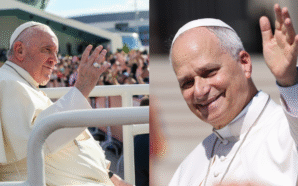


Shortly before launching his vision for making the world’s largest institution by membership a more listening and participatory body, Pope Francis noted a “certain resistance to moving beyond the image of a church rigidly divided into leaders and followers.”
Weeks later, the late pope dusted off the esoteric term “synodality,” Greek for “walking together,” when he opened the church’s global synodal path in October 2021, charting the course for what even he admitted would be a “slow and perhaps tiring exercise” of increasing participation in the life of the Catholic Church among all its members.
Five years later, synodality remains a wedge issue within the church, the target of fierce and frequent attacks by conservative clerics.
But after sparking tens of thousands of conversations about the life of the church held among all its members around the world, which culminated in two Vatican summits and set the stage for greater lay involvement and transparency in church governance, synodality increasingly appears here to stay.
Francis made clear his view that synodality represented the future of the church — he wrote that the church must have a “character of synodality” in his 2022 reform of the Roman Curia — but his death in 2025 raised the question of whether it would be a single-pontificate project.
To continue reading this article, click here.
With thanks to National Catholic Reporter and Michael Sean Winters, where this article originally appeared.