

Let us pray that children suffering from incurable diseases and their families receive the necessary medical care and support, never losing strength and hope.
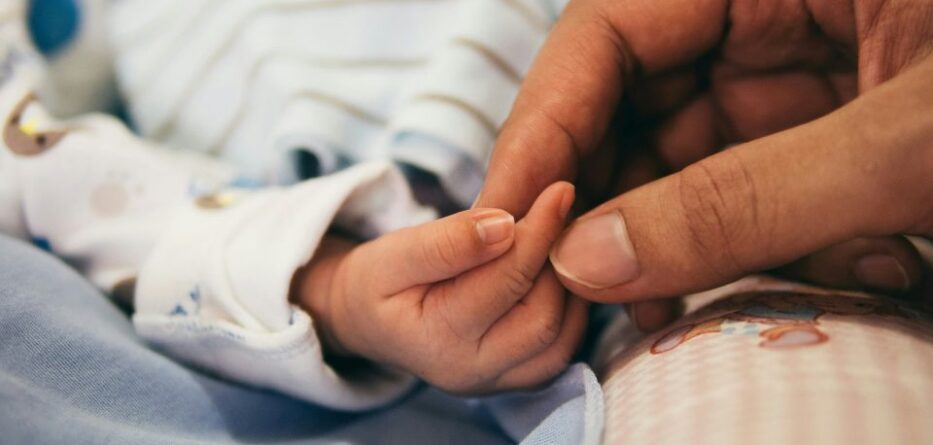
When we call to mind children with an incurable disease we enter a world of pain and of sympathy. Our hearts are touched by the suffering of the innocent, the tragedy of a life unrealised and by the pain of their family. Although we may find it hard to dwell on the death of young children, we know that for many of them terminal illness is part of the life that they must live.
Pope Leo invites us to focus on them and their families. He reminds us that illness does not affect only the individual but also their relationships. Parents, brothers and sisters and their wider families will also suffer with the person who is ill, help them to live fully with it, care for them and share their suffering. It may be true that we die alone, but our path through sickness to death also affects others. Ideally on that shared path children will live fully within their limitations and not simply fade out. That is true for the family of the terminally ill child, too. Their relationships will remain part of their lives, to be shared in its pain and grief, and treasured.
Pope Leo also reminds us of the importance of medical care and support, and of how fortunate we are if we live in societies where all can benefit from it. Medical care, as hospitals increasingly realise, entails more than keeping people alive by providing medication and medical intervention. It must also include care for the person who is ill. It calls for attentive and respectful relationships that make the patient feel valued. In terminal illness that is particularly important. Children and adults need to know that people will accompany them to death and not try to anticipate it.
Finally, Pope Leo invites us to pray that terminally ill children will never lose strength or hope. That request may initially sound odd, because terminal illness is defined by the certainty that it will end in death. It will also be accompanied by the loss of many capacities. Clearly, the strength that the prayer asks for is an inner strength of spirit that accepts the limitations of bodily strength but is committed to live fully within them. It is not about being passive in relationships and in living, but about living as fully as possible.
The hope that we are asked to pray for is not for a miraculous cure, though of course that may be part of it. It is the deeper hope that in life and in death all will be well. We Christians imagine this as life with Christ in a world beyond our own. This hope is a precious gift. But hope is not confined to Christians. For all human beings it is founded on gratitude for a life lived, for friendship shared, and on surrender to the unknown.
Fr Andrew Hamilton SJ writes for Jesuit Communications and Jesuit Social Services.