-
Pope Leo XIV’s positions on the United Nations and multilateral reform trace back decades to his years as Augustinian prior general, when he chose engagement over criticism, the table over denunciation....
-
When Stephen Veryser moved to Tanzania to serve with the Peace Corps over two decades ago, he fell in love with Africa. After his contract ended, he remained, working with nonprofit groups....
-
Pope Leo XIV reiterates the importance of creating a “culture of care” to counter the “throwaway culture” that permeates our world and its resources....
-
Pope Leo XIV met with French religious leaders in Metz, representatives of various religions release an appeal for sustained dialogue and efforts for peace in the world....
-
Trump’s mass-deportation program ramps up....
-
Every committed Christian knows that prayer is the lifeblood of one’s relationship with the triune God. Prayer lifts our minds and hearts to God seeking his help....
-
On September 1, the vice president of the United States sat down with an Evangelical podcaster and discussed the end of the world in the tone of a man working through a policy question....
-
The day had begun gray and cool, but the sun broke through just as the Holy Father arrived. Some 800,000 of the faithful filled the square and the avenue....
-
Jesus weeps all across our nation for the children who have been arrested, detained, transported to far-off centers with terrible living conditions, and cut off from their families....





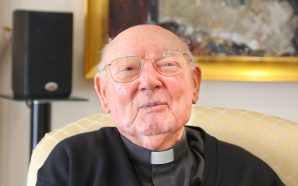

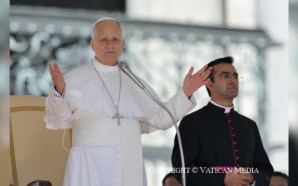 Pope Leo XIV’s positions on the United Nations and multilateral reform trace back decades to his years as Augustinian prior general, when he chose engagement over criticism, the table over denunciation....
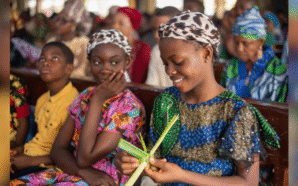 When Stephen Veryser moved to Tanzania to serve with the Peace Corps over two decades ago, he fell in love with Africa. After his contract ended, he remained, working with nonprofit groups....
 Pope Leo XIV reiterates the importance of creating a “culture of care” to counter the “throwaway culture” that permeates our world and its resources....
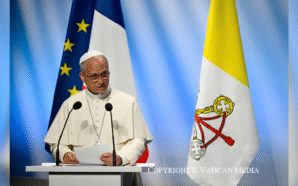 Pope Leo XIV met with French religious leaders in Metz, representatives of various religions release an appeal for sustained dialogue and efforts for peace in the world....
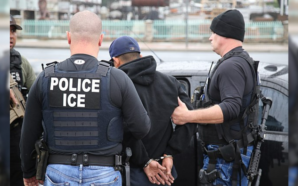 Trump’s mass-deportation program ramps up....
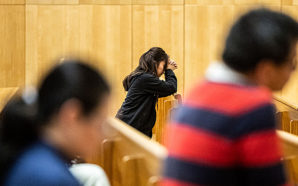 Every committed Christian knows that prayer is the lifeblood of one’s relationship with the triune God. Prayer lifts our minds and hearts to God seeking his help....
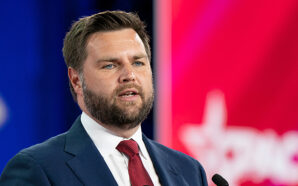 On September 1, the vice president of the United States sat down with an Evangelical podcaster and discussed the end of the world in the tone of a man working through a policy question....
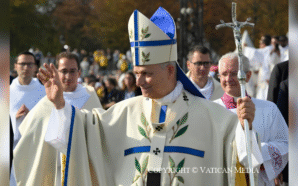 The day had begun gray and cool, but the sun broke through just as the Holy Father arrived. Some 800,000 of the faithful filled the square and the avenue....
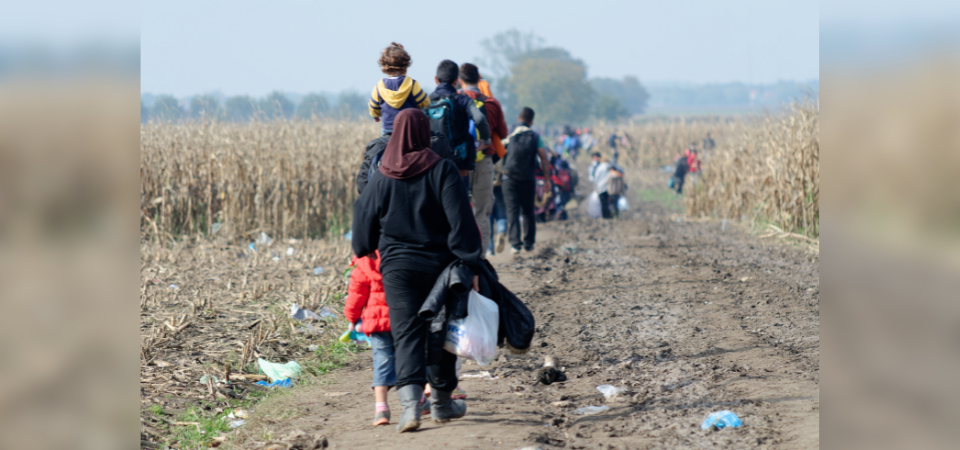 Jesus weeps all across our nation for the children who have been arrested, detained, transported to far-off centers with terrible living conditions, and cut off from their families....