

10 November is the United Nations’ World Science Day for Peace and Development
11 November is Remembrance Day (Armistice Day)
World Days for good causes often sail into the wind. That is true of the World Science Day for Peace and Development and is confirmed by the history of Armistice Day, which occurs on the following day. Armistice Day marked both the end of fighting in the First World War and the precarious nature of the peace that followed it.
The First World War, like all wars, had seen science diverted to the task of devising and engineering increasingly destructive weapons, such as poison gas, fighter planes and tanks. These inventions successively diminished the dignity and the agency of the soldiers trapped in the trenches who became their victims. The solemnity of the announcement of the Armistice echoed the unparalleled destructiveness of the war: it was to begin at the eleventh hour of the eleventh day of the eleventh month. When celebrated each year, the emblem of Armistice Day was the red Flanders poppy. It was the fragile flower that survived on the fields of war, a symbol of the survival of human life despite the worst efforts of science.
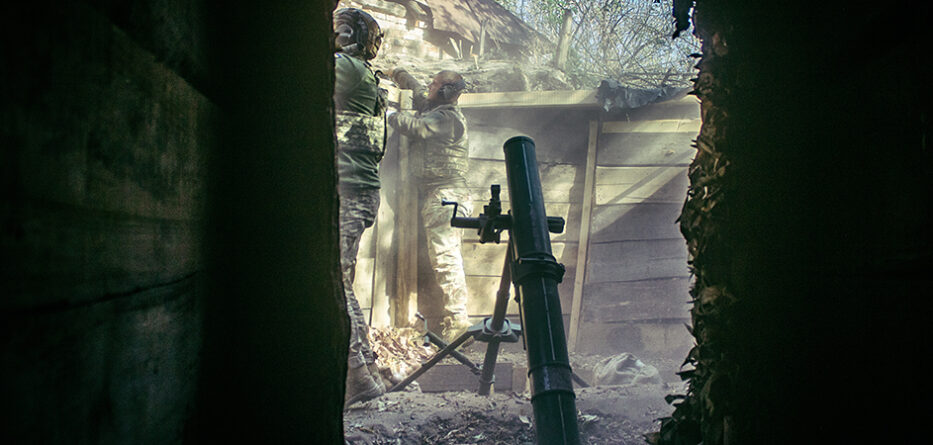
The horror of war captured in the solemnity and hope of Armistice Day continues to speak to the predicament of our world today. Wars such as those in Gaza, Myanmar and Ukraine see armies concerned less with killing opposing armies than unarmed civilians. This reflects the scientific development and deployment of rockets, of vastly more powerful explosives and of drones. Behind these wars, too, lies the spectre of arsenals full of nuclear weapons which, if used together, have the capacity to destroy the earth as a human habitat. And more remotely, we can only imagine the possibilities of devising weapons from discoveries in genetic engineering and other scientific fields.
To focus on these horrors may suggest that the World Science Day would better be renamed as a Day for War and Devastation instead of a Day for Peace and Development. This gloomy thought is not a reflection on science and scientists. Human discovery and the technologies that are derived from them have made the world a more liveable place for so many people, have led to cures for so many illnesses, have enabled the world population to be fed, expanded the possibilities of communication, and have blessed the world in so many ways. Science has been an instrument for making possible a better world when placed in the hands of wise human beings. All too often, however, the fruit of scientists’ work have fallen under the control of powerful and stunted human beings who have used it for self-aggrandisement or deployed it for utopian but ultimately demonic dreams.
Science brings gifts for peace and development. It also offers the curse of weapons of devastation. It places on all of us the responsibility to shape a society that rewards wisdom in choosing peace over conflict.
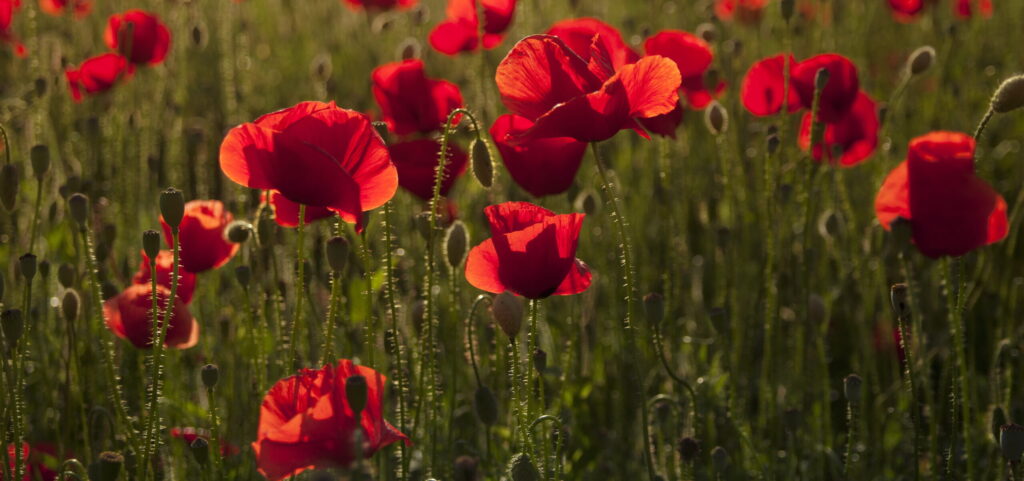
Image: Shutterstock
Fr Andrew Hamilton SJ writes for Jesuit Communications and Jesuit Social Services.