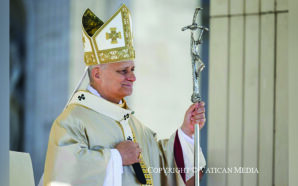


The pope’s World Day of Peace messages come each year at a time when the world is not so much peaceful as busy. Issued in the weeks before Christmas in anticipation of New Year’s, these messages are often lost. This year’s message, which focused on artificial intelligence, is too important to get lost.
The phrase “artificial intelligence” is itself a kind of oxymoron. As the pope states, “To speak in the plural of ‘forms of intelligence’ can help to emphasize above all the unbridgeable gap between such systems, however amazing and powerful, and the human person: in the end, they are merely ‘fragmentary’, in the sense that they can only imitate or reproduce certain functions of human intelligence.” Put differently, artificial intelligence is itself the outcome of human intelligence. We created it; it does not create us.
The pope offers some cultural proposals about how to confront the problems posed by AI. He calls for “an appropriate formation in responsibility for [technology’s] future development. Freedom and peaceful coexistence are threatened whenever human beings yield to the temptation to selfishness, self-interest, the desire for profit and the thirst for power.” He sets the essential benchmark for harnessing technology to human flourishing: “The inherent dignity of each human being and the fraternity that binds us together as members of the one human family must undergird the development of new technologies and serve as indisputable criteria for evaluating them before they are employed, so that digital progress can occur with due respect for justice and contribute to the cause of peace.”
The message shows a highly informed awareness of the varied problems raised by AI and other advanced technologies. The pope points to “a serious problem when artificial intelligence is deployed in campaigns of disinformation that spread false news and lead to a growing distrust of the communications media.” He also highlights “other negative consequences of the misuse of these technologies, such as discrimination, interference in elections, the rise of a surveillance society, digital exclusion and the exacerbation of an individualism increasingly disconnected from society.”
To continue reading this article, click here.
With thanks to the National Catholic Reporter (NCR) and Michael Sean Winters, where this article originally appeared.