

God often chooses those who are most despised and marginalised to bear the gospel’s prophetic message.
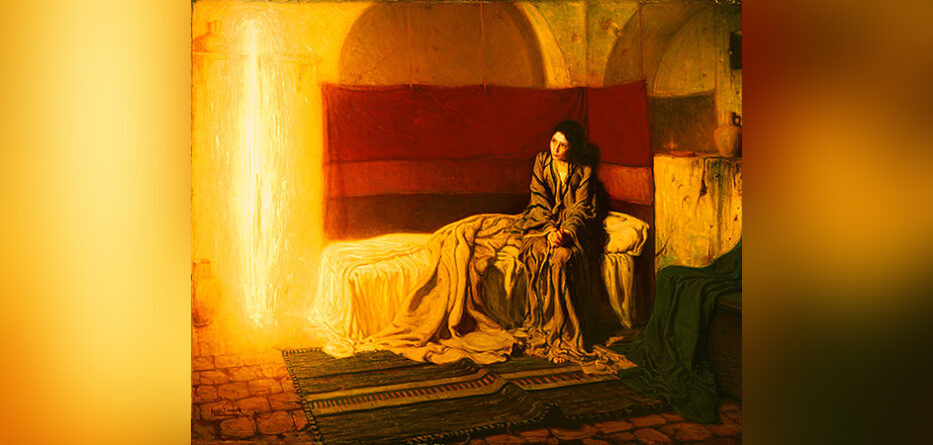
Will they think I’m a whore? Will they call him a bastard? Will we be killed? I often wonder if these were the thoughts that ran through the mind of Mary, a terrified teenage girl, after accepting the wildly unbelievable invitation to carry the messiah. What did the angel mean by “full of grace”? Is Joseph going to leave? What if no one believes me? Unsure of what the future held for her, a little brown girl from Nazareth changed the course of human history because of her courageous choice to participate in the in-breaking of God’s revelation, now miraculously incarnate in the baby called Emmanuel, God with us.
But why did God choose this girl to participate in God’s revelation?
The biblical motif of reversal, where God exalts the lowly and puts down the mighty from their thrones, is prominent in both the Hebrew and the Christian scriptures. It suggests a new order of life and hope where God is at work in the lives of the people as well as in the entire social order. While it is possible that God, in God’s infinite wisdom, could have chosen a plethora of paths to enter humanity, as the biblical theme of reversal demonstrates, God often chooses those who are most despised and marginalized to bear the gospel’s prophetic message. In first-century Palestine, this would have been a poor woman of marginal socioeconomic status.
Despite Mary’s poverty, the gospel writers, specifically Luke, present her as an active agent in Christian salvation whom God chooses to actualize the divine promises made to Israel. Mary is blessed because she assented to God’s will, making it possible for God’s salvific purposes to be accomplished through her.
To continue reading this article, click here.
LaRyssa Herrington is a third year doctoral student in systematic theology and liturgical studies at the University of Notre Dame. Her current areas of research include the role of Mary in devotional and popular piety, womanist theology, ritual studies, and sacramental theology.
With thanks to U.S. Catholic, a publication of the Claretian Missionaries, a Roman Catholic religious community of priests and brothers dedicated to the mission of living and spreading the gospel of Jesus.