


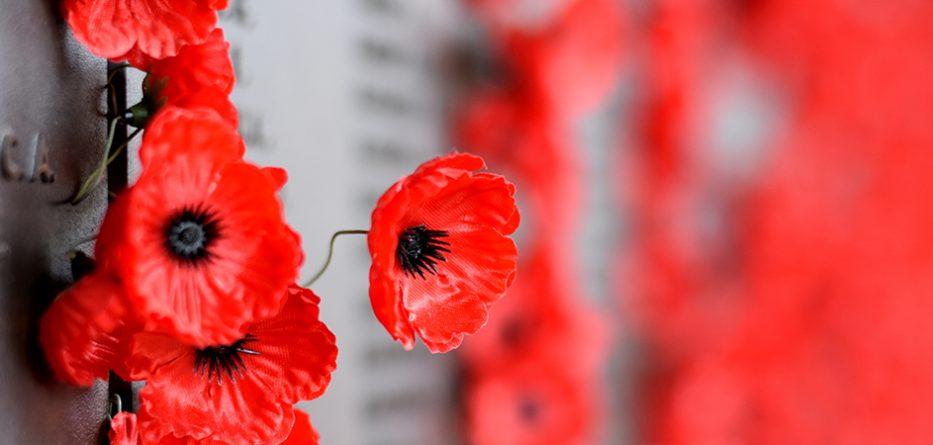
The public holiday on Anzac Day recalls a fairly minor military action in a war fought over a century ago. Its lasting significance for Australians lies in keeping alive the memory of the many Australian soldiers who died on the Turkish beach in that action. Its pathos lies in the way that the suffering caused by death in battle was multiplied by the grief of all the others whose lives were devastated as a result of it. They included the men who fought, were injured and forever scarred by the war, their parents, brothers and sisters, and the small towns which lost their young men. Beyond the Gallipoli campaign, it recalls the lives lost and marred in subsequent wars. It is a reminder of the sadness of war seen through a close-up of the human faces of those touched by it.
That message is sometimes obscured by attempts to glorify war by focusing on the power of its technology – the overwhelming threat of its guns, tanks, and planes. This year few would see romance in war. The suffering in the cities of Kiev and the fields of Gaza, and in the bombing of Iran is more likely to arouse shame at the sinfulness of our shared humanity and pity for those who fall under the bombs than admiration of those deploy and use them.
In current wars we see the way in which we as a race fail to meet the challenges to our humanity. The smoke of burning oil wells, the pollution of water and the costly manufacture of munitions contribute to global warming and draw attention away from it. They also reveal the hypocrisy of endorsing war by pretending concern for the young Iranians who are killed in protest against their government and then leaving those same young people dead, homeless and more vulnerable after their war making than before it. A war that was heralded as making the region more safe leaves it more bitterly divided and facing a more difficult future. Above all, it denies any solidarity based on a common humanity, and proclaims a subservience based on power.
Seen against this background, the celebration of Anzac Day this year should also be modest in its rhetoric, forsaking any glorification of the day that would make the acts of generosity and bravery displayed in battle emblematic of the nation today, still less of its leaders. It should allow us to grieve the lives lost and forever shadowed in war, thank those who served, and recall the endurance and domestic virtues displayed by so many in the aftermath of war.
The celebration of Anzac Day also looks to the future. As we grieve loss and give thanks for self-sacrifice on Anzac Day, we should also commit ourselves to a future in which we turn from wars, share burdens, give priority to the most disadvantaged, and shape a more just society. Anzac Day is a time to cry Never Again to war.
Fr Andrew Hamilton SJ writes for Jesuit Communications and Jesuit Social Services.