

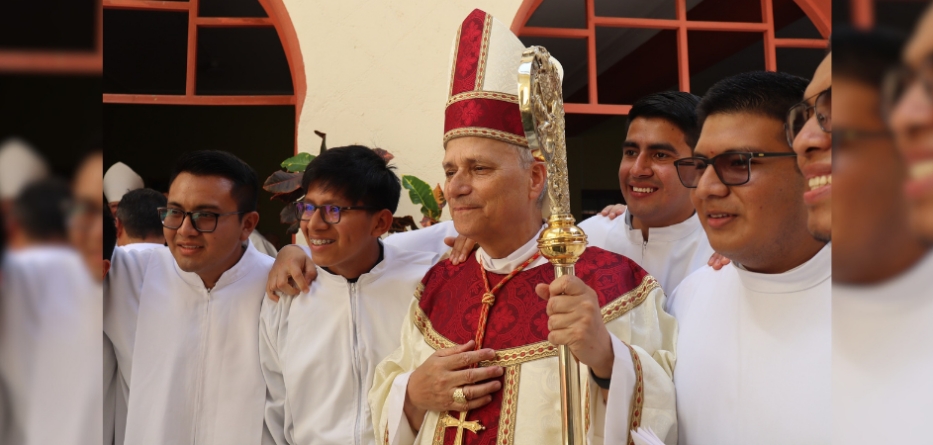
With the surprise nomination of Augustinian Fr. Robert Prevost as bishop of Peru’s fifth-largest city, Pope Francis sent a message to a fractured Peruvian episcopate.
At the time, Peru’s bishops were split between liberation-theology-minded progressives and theological conservatives influenced by Opus Dei.
And early into his pontificate, Francis decided to put his finger on the scales by naming an outsider to take over what had long been considered a conservative stronghold in the northern Peruvian city of Chiclayo.
Rather than micromanaging, Prevost repeatedly delegated authority and allowed others the freedom to act, stepping in only when guidance or coordination was needed. In pursuing his pastoral priorities as bishop, the future pope showed that participation and pragmatism were key to effecting change.
Prevost’s tenure as bishop of Chiclayo would end after only eight years, after which Francis named him head of the Dicastery for Bishops, the powerful Vatican department that advises the pope on the selection and appointment of the world’s bishops.
“I went, not entirely happy; my preference would have been to remain in Chiclayo,” Prevost said on a trip to Peru shortly before his election to the papacy. “But one must obey, at all ages of life.”
To continue reading this article, click here.
With thanks to the National Catholic Reporter (NCR) and Justin McLellan, where this article originally appeared.