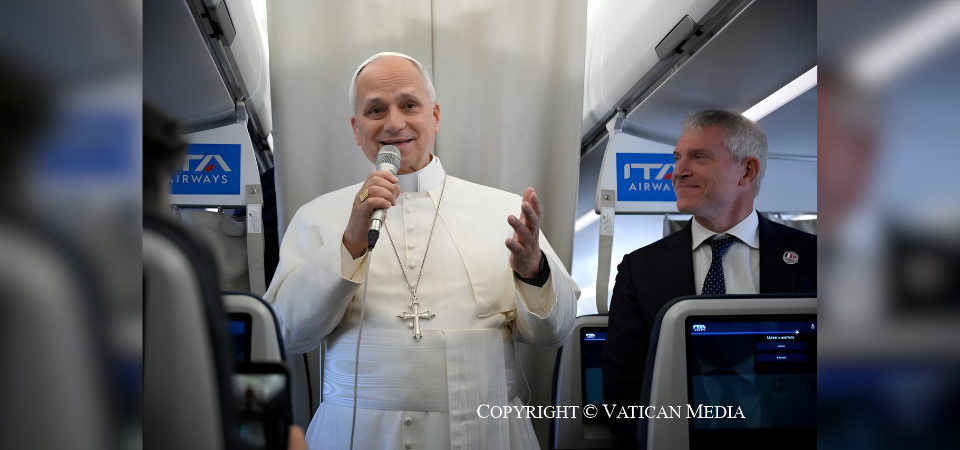



Why settle for artificial intelligence when you can have divine wisdom? Better to say, if you must confront artificial intelligence, and it is almost impossible to avoid, you’d better bring divine wisdom to the task of engaging it. This is the central theme of Pope Leo XIV’s first encyclical, Magnifica Humanitas.
It is difficult to imagine a more countercultural title of a papal document. We look around the world and see wars, gross income inequality, lurking environmental disaster, all three largely the result of human decision-making. Yet the pope reminds us of what we were created and are called to be: magnificent.
Three particular themes in the encyclical are of special note, and each in its way, points to the unique magnificence of humankind: Our anthropological vocation grounded in the revelation of Jesus Christ, our ability to collaborate with our creator God and our capacity for belief in that which we cannot see.
In the very first paragraph, the pope quotes the words of Gaudium et spes that indicate the true vocation, the character and calling of the human person. “Whenever humanity is in danger of marring its true identity, we Christians lift our eyes to the Incarnate God, knowing that it is ‘only in the mystery of the Word made flesh that the mystery of humanity truly becomes clear.'” Of all the texts of the Second Vatican Council, this was the passage most cited by St. John Paul II and it offers a key to the first, most striking theme of the document: The issues raised by AI are not merely ethical but anthropological.
To continue reading this article, click here.
With thanks to National Catholic Reporter and Michael Sean Winters, where this article originally appeared.