

The vast majority of clergy in Australia value their work and ministry, are self-confident and positive in their outlook, and report having a good relationship with God and their parish communities, a new study has found.
Most also say they eat well and get enough rest, according to the study, Thriving (& Surviving) in Ministry, which looked at the health and wellbeing of more than 800 Australian Catholic priests and deacons who took part in an online survey (just over a quarter of all clergy in the country), and 78 who were interviewed.
But despite rating their wellbeing highly, many clergy reported often feeling stressed, anxious and exhausted, and almost one third do not get enough exercise. Long days were also common to many. The study found that younger clergy, particularly those under 40, were often more affected than those who were older, especially over 70. For example, they were almost twice as likely as older clergy to report feelings of anxiety, and almost half of them worked more than 10 hours a day, compared with the average of 8.5 hours for all clergy.
The study was commissioned by the Bishops Commission for Evangelisation, Laity and Ministry (BCELM) and conducted by the National Centre for Pastoral Research (NCPR) and the Australian Catholic Migrant and Refugee Office (ACMRO).
Archbishop Christopher Prowse, the chairperson of the Bishops Commission for Evangelisation, Laity and Ministry, said in the study’s forward that the findings were important for “the ongoing pastoral care of our priests”.
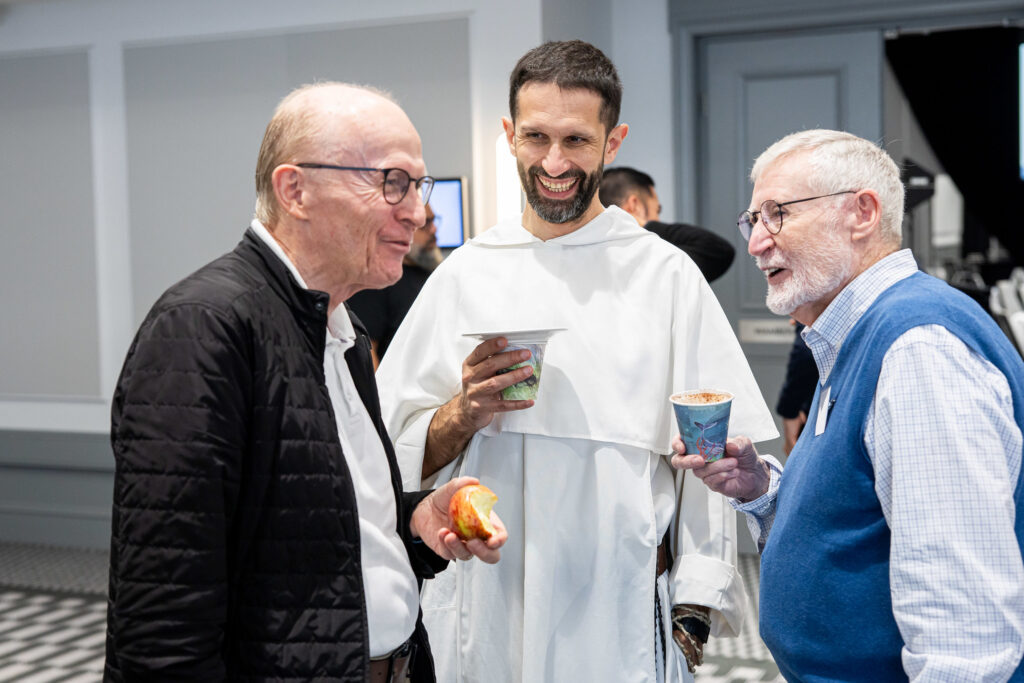
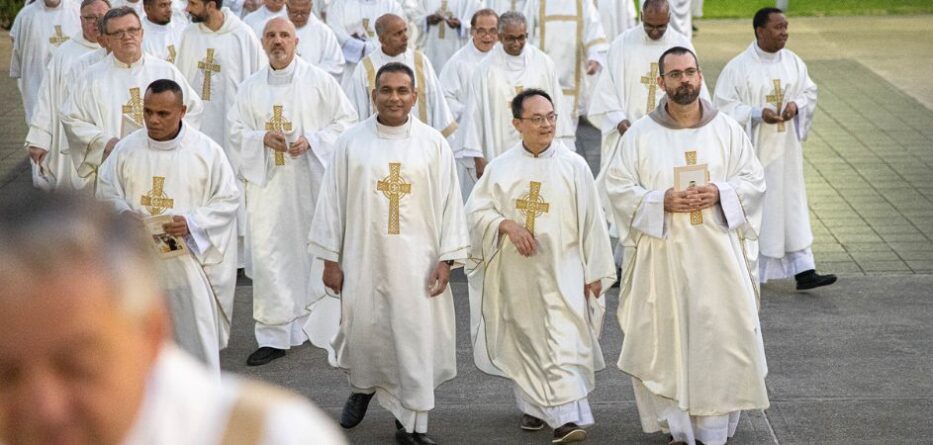
Almost all Australian clergy value their ministry, the study found. Image: Alphonsus Fok/ Diocese of Parramatta
For priests, the findings showed the need to have “an ‘examination of conscience’ on our ministry with our people,” Bishop Prowse said.
“Some of the findings you will see are very complimentary and show signs of great joy in the priesthood by so many,” he said.
“Other conclusions are more worrying and could well be the subject of the ongoing formation of clergy and their pastoral care.”
The joys of Ministry
Among the study’s positive findings, almost all priests and deacons (95%) valued their ministry, had positive relationships with their congregation (90%), while many (73%) felt they had support from those around them.
Most felt that Mass was central to their ministry – preparing homilies, celebrating the Eucharist and ‘breaking the Word open’ for parishioners. Others mentioned the importance of the sacraments, included the celebration of weddings and baptisms, while for many pastoral care, such as supporting people through grief, was very important.
Overall, most clergy felt hopeful (71%) and joyful (61%) in their day-to-day lives, while an even higher proportion (79%) rated their spiritual health as ‘good’ or ‘very good’.
“It has, in large part, been extremely rewarding, if at times challenging (and frustrating), but that has as much to do with my own interior conversion and letting go of my ‘false self’,” said one priest quoted in the study.
Another said: “I am a happy and contented priest who has been serving the Lord for [20+] years … and I will continue to be the same …. I enjoy my priestly life.”
Despite their often heavy workload, almost two-thirds of clergy managed to take at least three weeks’ annual leave and more than 80% took part in spiritual retreats each year, the study found.
More than six in 10 (62%) were involved in community life outside their parish, such as in social and sporting clubs, while others took part in volunteering.
The most popular hobbies among priests and deacons were watching TV and movies at home (74%), listening to music (69%) and engaging in outdoor activities (64%).
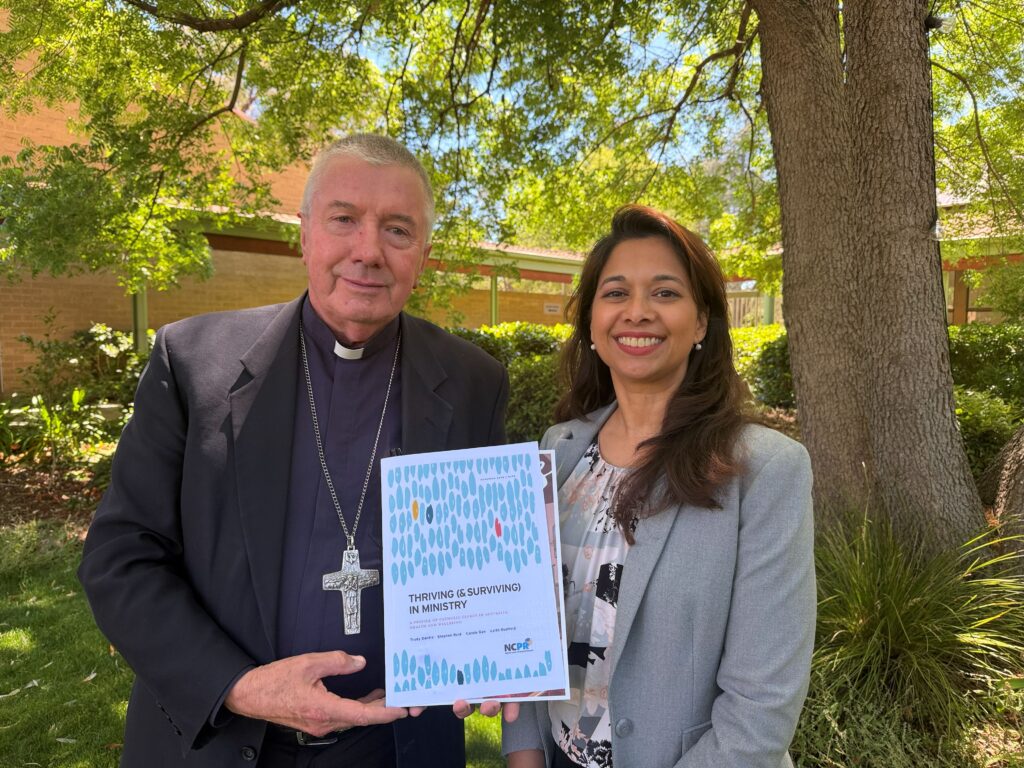
Chair of the Bishops Commission for Evangelisation, Laity and Ministry Archbishop Christopher Prowse with director of the National Centre for Pastoral Research Dr Trudy Dantis. Image: Paul Osborne/Australian Catholic Bishops Conference
The majority (66%) also reported maintaining a healthy diet, while 61% felt they got enough rest.
The challenges of Ministry
But of the negative impacts of clergy life, anxiety was the most common, the study found, with more than half of those surveyed (53%) experiencing it at least some of the time.
Younger priests were particularly vulnerable, with almost twice as many (17%) reporting feeling anxious frequently compared with older clergy (8%).
Exhaustion was also common among some (16%) respondents, with several saying they were pressured to work longer hours. Some reported burnout.
As one said in the study: “… My fear is that the workload will kill me. There’s no down time … I feel perpetually tired. There’s always something to be done. It rarely lets up. It’s hard to maintain a healthy and good spiritual life.”
The study found many clergy had difficulty exercising regularly, with nearly one in three rating themselves poorly.
For clergy in rural and remote areas, many said they found it difficult to get proper medical care, and that they experienced higher levels of isolation and loneliness than their city counterparts.
More than six in 10 (61%) clergy felt negative impacts from cultural or societal changes. The one issue that elicited the longest responses from clergy was the Royal Commission into Institutional Responses to Child Sexual Abuse.
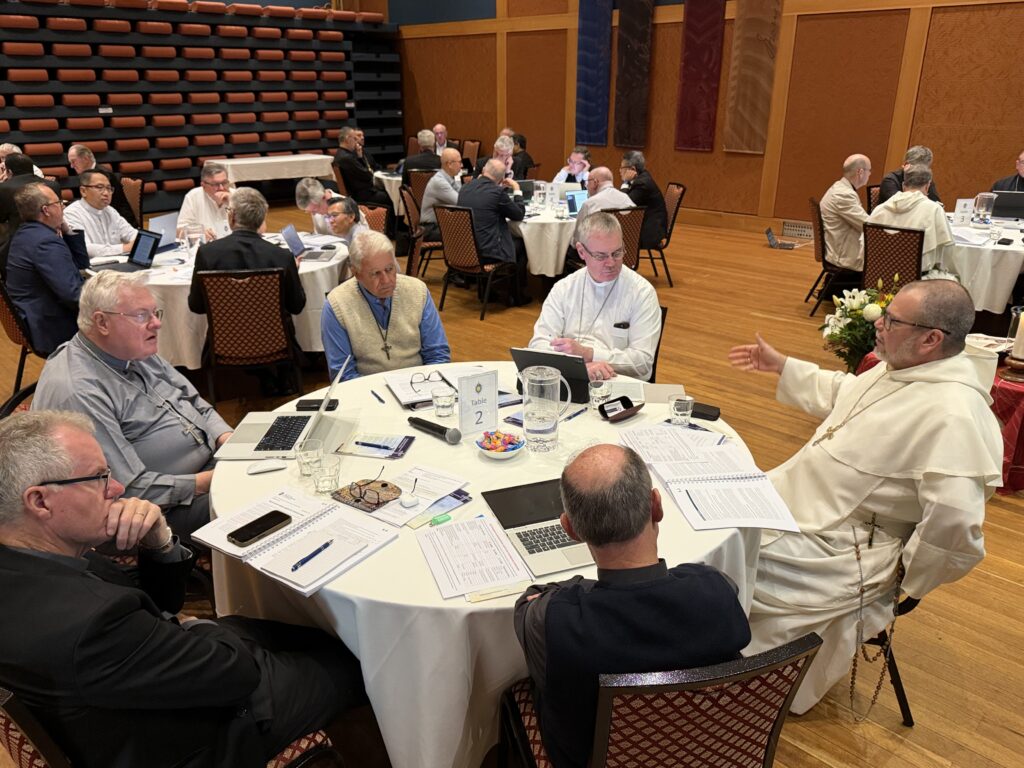
The Australian bishops at the November plenary in Sydney, where round tables were used for the first time to allow synodal discussions on the clergy wellbeing report and other issues. Image: Paul Osborne/Australian Catholic Bishops Conference
These responses included feelings of stress, anxiety, shame and diminished confidence as a result of the royal commission, while others feared unjust accusations and struggled with the growing safeguarding workload.
Overall, the study identified eight main areas where clergy experienced the biggest challenges. These were: strained relationships with bishops and other clergy; difficulties in pastoral ministry; loneliness, isolation, alienation and loss of identity; heavy workloads; physical and mental concerns; uncertainty about retirement; challenges in faith formation and evangelisation; and gaps in clergy training and mentoring.
The study included proposals from clergy on ways that these challenges could be overcome. These included: more support and leadership from bishops; more support from fellow clergy; more administrative help; more formation and training; greater spiritual support and supervision; more financial help, and a better work-life balance.
In a reflection at the end of the study, Bishop Greg Bennet, the Vice President of the Australian Catholic Bishops’ Conference and Bishop of Sale, praised the clergy who took part in the study for sharing “their deep spiritual and personal journey”.
“This profound witness is a reminder that ministry is a gift that needs to be nurtured to flourish,” he said.
“This study is a reminder that deep listening can be transformative and open new horizons – a synodal Church walking together.”
The study Thriving (& Surviving) in Ministry aligns with the Diocese of Parramatta’s Pastoral Plan priorities of Prayer, Mission, Formation, Listening, Dialogue and Discernment. View the Pastoral Plan here.