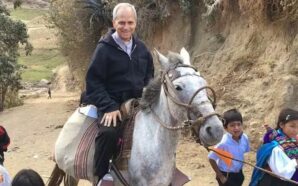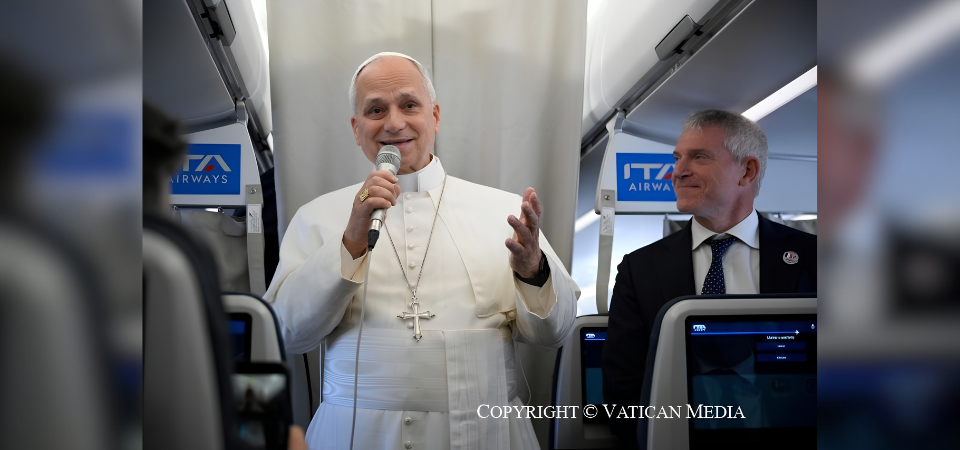


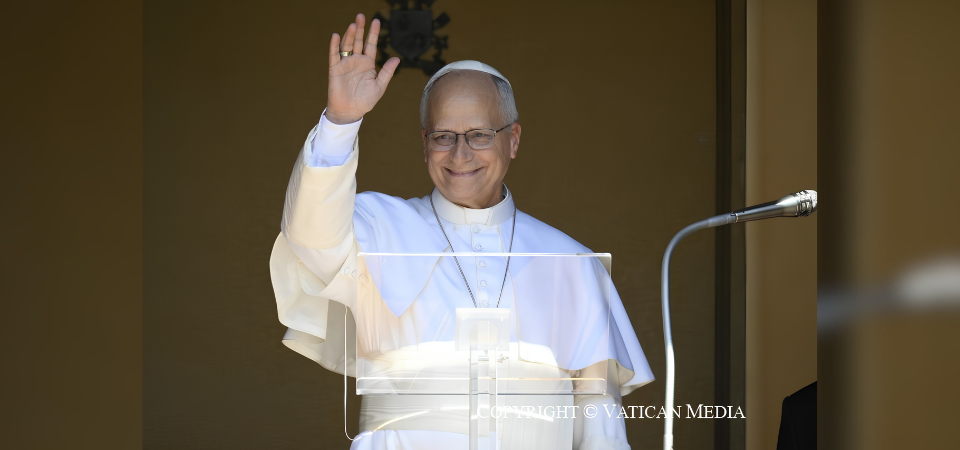
Pope Leo XIV’s historic decision to vote in the U.S. midterm elections — a first for a sitting pope — was met with both praise and criticism, but it also raised questions about how the pope understands his identity before visiting Peru, the other country where he holds citizenship.
After the Chicago Sun-Times broke the news that Leo, born Robert Francis Prevost, had requested a mail-in ballot to vote in his native Illinois for the Nov. 3 midterm elections, the Vatican issued a confirmation that he had submitted his mail-in ballot in Chicago and said that the pope “expresses his belief in the right and the duty of citizens to participate in democratic processes.”
That statement marked the first documented case of a sitting pope voting in elections in a country where he holds citizenship and opened a public debate over whether the leader of the Catholic Church should engage in political elections.
The Vatican also stated that “during his years of residence in Peru he exercised his right to vote whenever he was eligible to do so.” Prevost became a naturalized citizen of Peru, in addition to maintaining his American citizenship, shortly after being named bishop of the northern city of Chiclayo in 2014, and he resided in the country until he was called to Rome to lead the Vatican’s office for selecting bishops in 2023 and made a cardinal.
But the Vatican’s statement did not clarify whether he had voted in the April 2026 elections that eventually elected the new Peruvian President Keiko Fujimori, who Leo will meet when he touches down in Lima on Nov. 11 to begin his weeklong visit to the country.
To continue reading this article, click here.
With thanks to National Catholic Reporter and Justin McLellan, where this article originally appeared.