

The poor do not discuss climate change in conference halls. They encounter it at noon, under a tin roof, on a construction site, beside a dry hand pump, in a field where the soil has turned to powder, or in a flooded lane where schoolbooks float like dead birds.
For them, climate change is not a future scenario. It is a fever, a debt, a crop failure, a missed meal, a night without electricity, a child with diarrhoea, an old woman gasping in a room without a fan.
This is why the new language of “extreme weather” is morally insufficient. The weather is not equally extreme for everyone.
A heatwave is an inconvenience for those with air conditioning. It is a punishment for the rickshaw puller, the street vendor, the migrant mason, the farm worker, the sanitation worker, and the elderly poor.
A flood is a traffic problem for some. For others, it is the loss of bedding, grain, goats, medicine, certificates, photographs, and memories.
In recent weeks, we have been reminded that the climate has become more violent. Millions have been exposed to dangerous temperatures. Storms and rain damage power and transportation infrastructure. Raising dam levels prompts warnings about flood preparedness.
These are not isolated events. They are fragments of a new normal in which heat, rain, wind, water, and disease arrive with greater uncertainty. Nature has not become cruel. Our systems have become unjust.
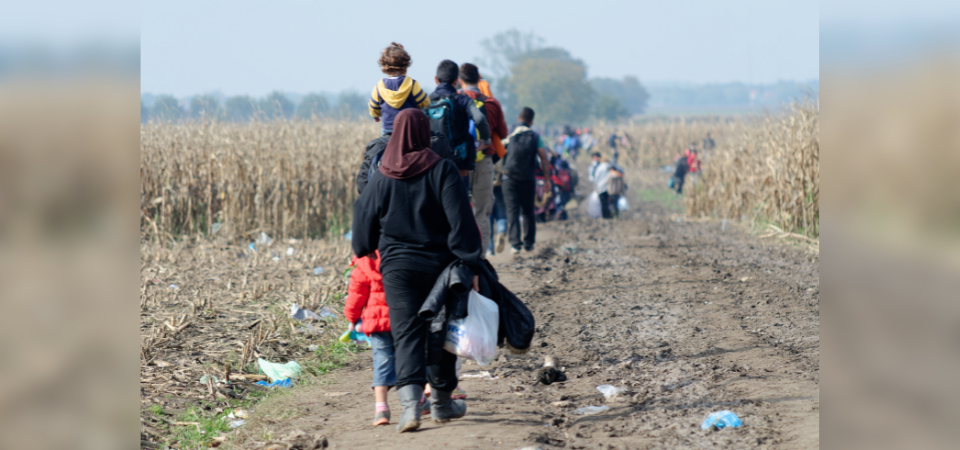
The tragedy is that those who contributed least to the crisis suffer first. The poor consume little, waste little, fly little, and own little. Yet they pay with their bodies.
Their homes are built on vulnerable land because safer land is too expensive. Their work is outdoors because offices are reserved for others. Their diets are thin because inflation reaches the kitchen before it reaches policy papers. Their children study in classrooms where the heat makes it almost impossible to pay attention.
“The poor are not asking for pity. They are asking for a livable world. They are asking that development not sacrifice them first and remember them last.”
Climate change, therefore, is not only an ecological problem. It is also a justice problem. It reveals the hidden structure of society. It shows who has shade, insurance, mobility, savings, voice, and political access. It shows who is expected to “adjust.” It shows who can escape and who must endure.
For Christians and for all morally serious citizens, Laudato Si’ should disturb the conscience. The cry of the earth and the cry of the poor cannot be separated.
A spirituality that loves creation yet ignores laborers is sentimental. A development policy that speaks of growth while leaving the poor to burn, drown, or migrate is morally incomplete. A Church that plants trees but does not stand with displaced people has understood only half the Gospel.
What is needed is not just climate anxiety. Anxiety paralyzes. We need climate responsibility. Cities must create heat shelters, shaded bus stops, drinking water stations, and humane work-hour rules during heatwaves. Schools must be redesigned for temperature, not merely for enrollment.
Parishes, temples, mosques, gurudwaras, and civil society groups can serve as local climate-resilience centers, providing water, cooling spaces, first aid, and emergency support.
Business must also be part of the moral conversation. If corporations can measure productivity, they can measure heat risk. If they can track profit in real time, they can track worker safety.
No company should claim to be sustainable while its contract workers collapse in the sun. No city should celebrate smart infrastructure while slum dwellers live under plastic sheets beside open drains.
The climate crisis poses a spiritual question: Whose life counts when temperatures rise? The answer cannot be left to markets. Markets price scarcity. They do not naturally protect dignity. Dignity must be defended by law, community, ethics, and compassion.
The poor are not asking for pity. They are asking for a livable world. They are asking that development not sacrifice them first and remember them last. They are asking for water before slogans, shade before speeches, and justice before charity.
When the weather turns against the poor, society must not turn away. Protecting the vulnerable is not an optional act of kindness. It is the measure of civilization.
With thanks to Global Catholic and Kuruvilla Pandikattu SJ, where this article originally appeared.