

At around 2:30 a.m. on March 2, the first explosions shattered the quiet of the capital. Powerful airstrikes struck Beirut’s southern suburbs, sending shockwaves across the city. Residents woke to the sound of missiles overhead and windows rattling in apartment buildings. Within hours, the violence spread across southern Lebanon and the Bekaa Valley.
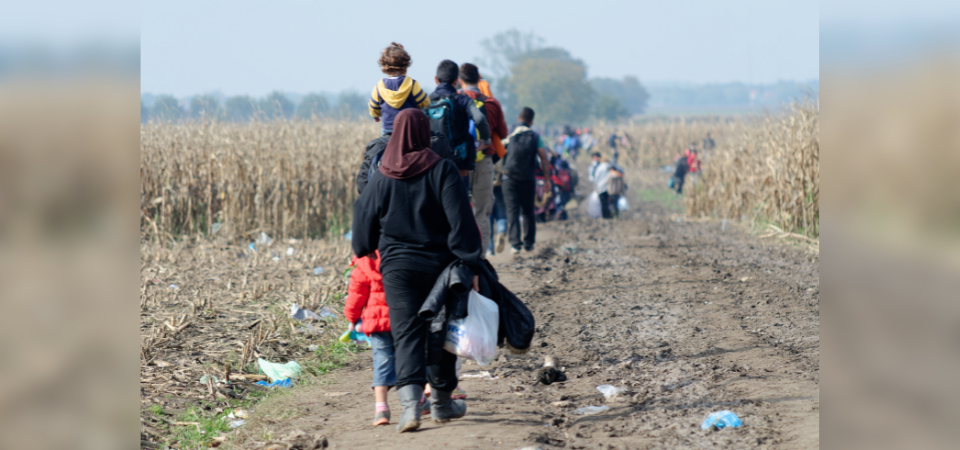
By morning, thousands of people were on the move.
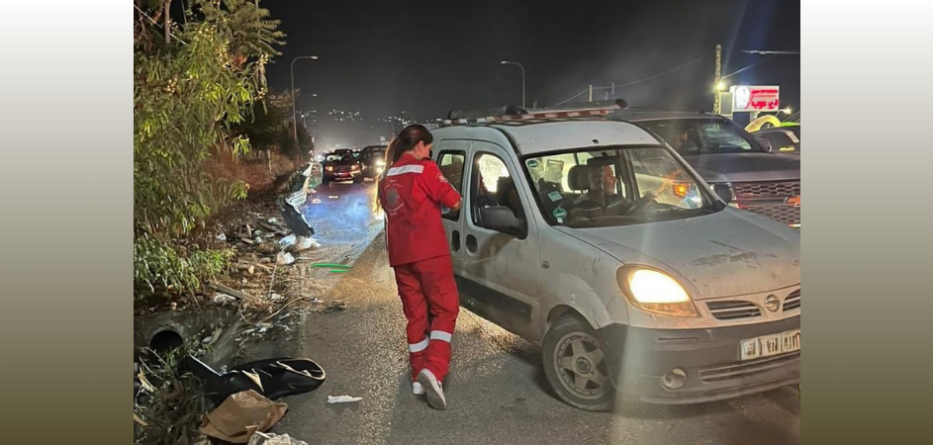
According to the U.N., more than 30,000 people were displaced in the first wave of attacks. Highways leading out of southern Lebanon and the capital quickly became clogged with cars as families tried to flee the bombardment. Evacuation warnings sent to dozens of villages triggered panic across communities already worn down by years of political and economic crisis.
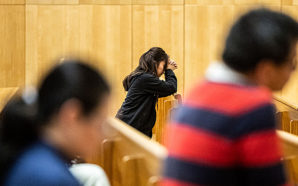
Churches, monasteries and schools began opening their doors to those arriving with little more than bags packed in haste. For Lebanon’s Catholic communities — many of them concentrated in towns near the Israeli border — the renewed violence has revived fears that echo earlier conflicts in the country’s long history of war.
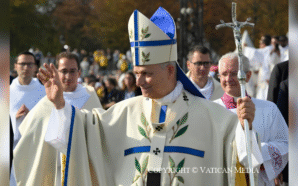
In the southern city of Saida, Melkite Catholic Archbishop Elie Béchara Haddad said the escalation had been feared for months.
“It’s not easy where we are now, really,” he said in an interview with the National Catholic Reporter. “But we were waiting for this moment a long time ago. We don’t believe in peace in this region now, in this period of life.”
To continue reading this article, click here.
With thanks to the National Catholic Reporter (NCR) and Camillo Barone, where this article originally appeared.