

They went with songs to the battle, they were young,
Straight of limb, true of eye, steady and aglow.
They were staunch to the end against odds uncounted;
They fell with their faces to the foe.
They shall grow not old, as we that are left grow old:
Age shall not weary them, nor the years condemn.
At the going down of the sun and in the morning
We will remember them.
– For the Fallen, Laurence Binyon, 1914
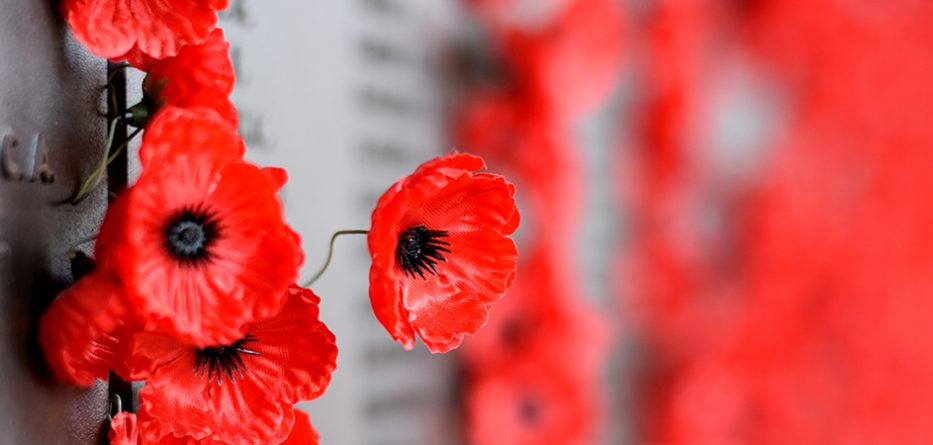
These words hit extra hard last year as I stood in Flanders Fields, facing row upon row of white headstones at one of the 124 Commonwealth War Cemeteries in Belgium. Here in World World I Australians had suffered over 38,000 casualties, including 12,000 dead, far outweighing our losses in any other military campaign ever. During the fighting in the dreaded Ypres salient, all five Australian Infantry Force (AIF) divisions were engaged on the same front for the first time in the war. In the years after the war, red poppies bloomed across these once devastated fields, now used each year by us as an enduring symbol of remembrance. But the names of many are lost – “A Soldier of the Great War… Known unto God” – is how they are commemorated.
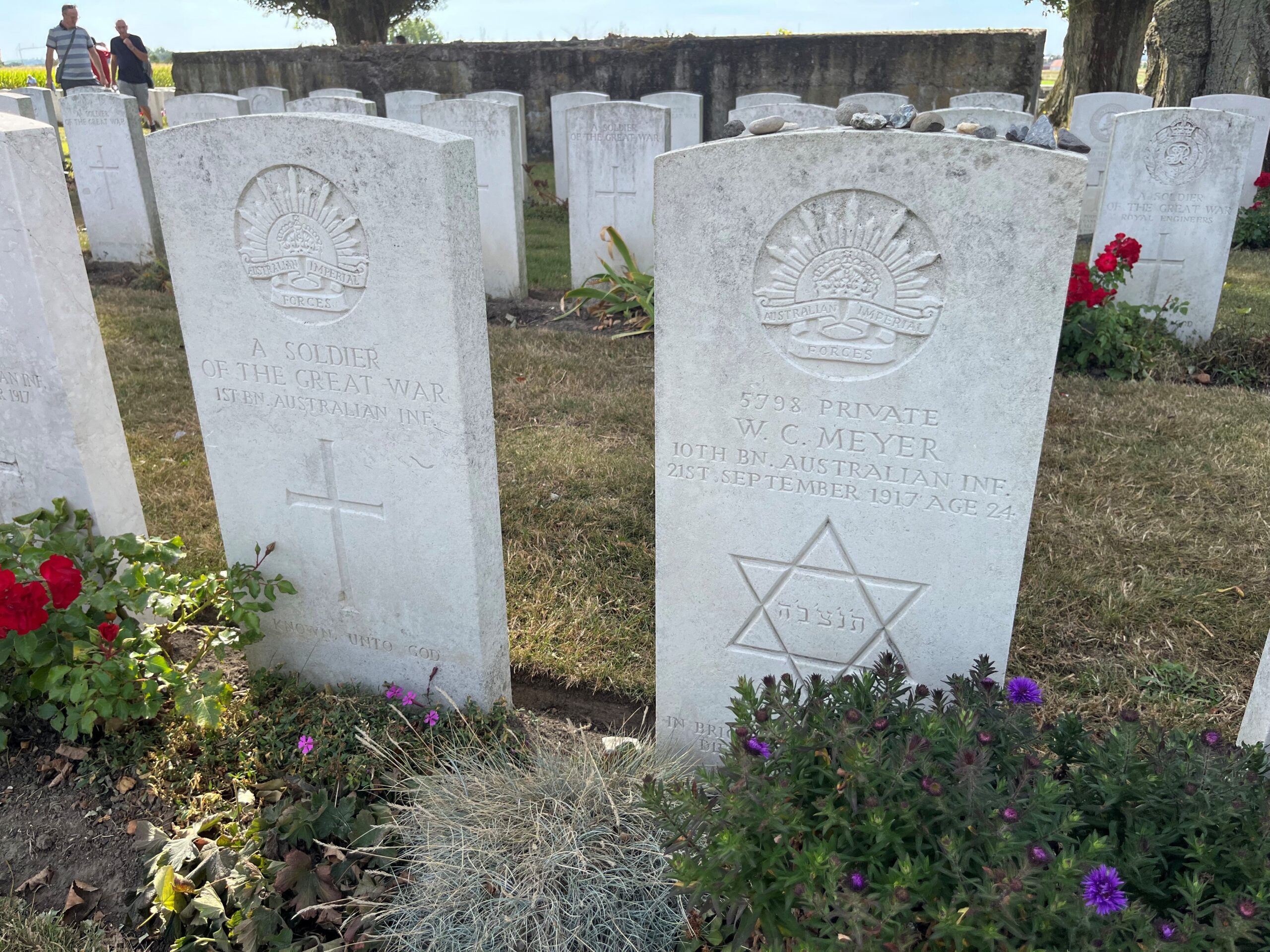
Image: Deacon Adrian Gomez.
Particularly moving was the ‘Brothers in Arms’ Memorial, a life-sized bronze sculpture of Jack and Jim Hunter, Australian brothers who served together in the 49th Battalion AIF at Ypres. On September 26, 1917, during the Battle of Polygon Wood, Jack was killed. Jim held his elder brother as he died, and buried him in a temporary makeshift grave, wrapping him in a groundsheet with his arms neatly crossed over his chest, vowing to come back after the war to bury him properly. But when Jim returned, the fields had been blasted beyond recognition by artillery shelling and Jim went to his death with his promise unfulfilled. In 2006, construction workers and archeologists discovered the remains of five Australian soldiers. Through DNA testing matching family members, Jack Hunter was formally identified and reburied with full military honours at the Buttes New British Cemetery in Polygon Wood. In 2022 this 800kg statue by artist Louis Laumen was unveiled depicting Jim cradling his fallen brother Jack – a memorial to all who have lost family members to war.
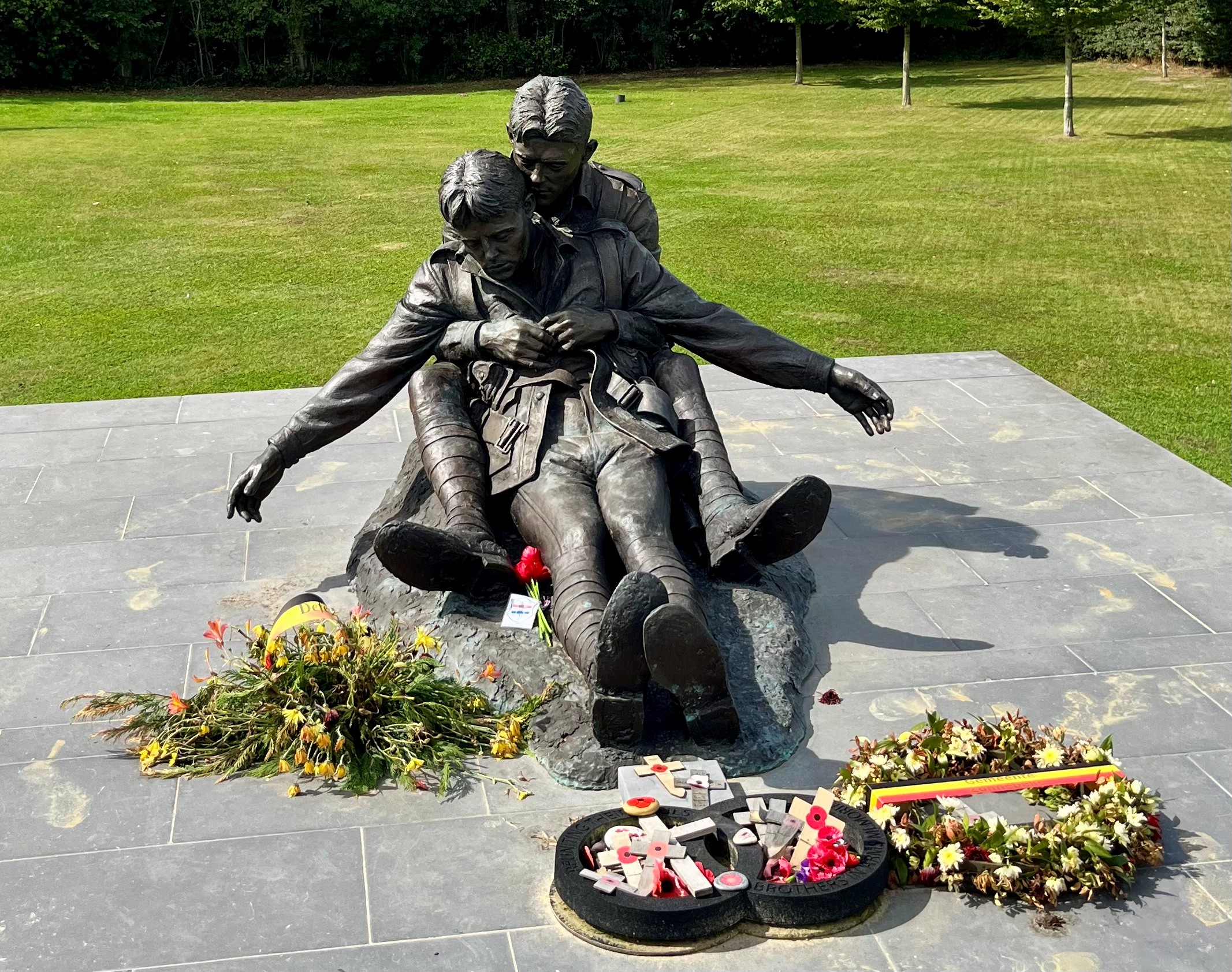
Image: Deacon Adrian Gomez.
Why do we stop to remember these horrors? The loss of a brother, a son, a father and a friend? Why do we hold on to the grief, and the loss and the pain? Perhaps because to forget would be to lose something of ourselves.
Memory is deeply bound up with our identity. We know who we are partly because we remember where we have come from. Our memories tell us the stories of our families, our communities and our nations. They remind us of those who loved us, those who shaped us, those who sacrificed for us. To remember is to acknowledge that our lives did not begin with us. We have inherited a story.
This is especially true of Christian memory. At the heart of our faith is an act of remembrance. At every Mass we hear Jesus’ words: “Do this in memory of me.” The Eucharist is not simply a recollection of something that happened long ago. In the liturgy we remember Christ’s death and resurrection in a way that makes the mystery of our salvation present to us again. Christian remembrance changes the way we see the present and the way we live our lives. We remember because love remembers.
For almost 90 years Jack’s resting place was unknown. But Jim had made a promise. This promise was not fulfilled in his lifetime, but the memory of it endured in his family. There is something profoundly human, and profoundly Christian, in that refusal to forget.
The discovery of Jack’s remains almost 90 years later reminds us of the power of memory, the power of story. Through the painstaking work of archeologists, DNA testing and the persistence of those who cared, Jack was given back his name and a resting place among the dead. He was no longer an unknown soldier. He was Jack Hunter.
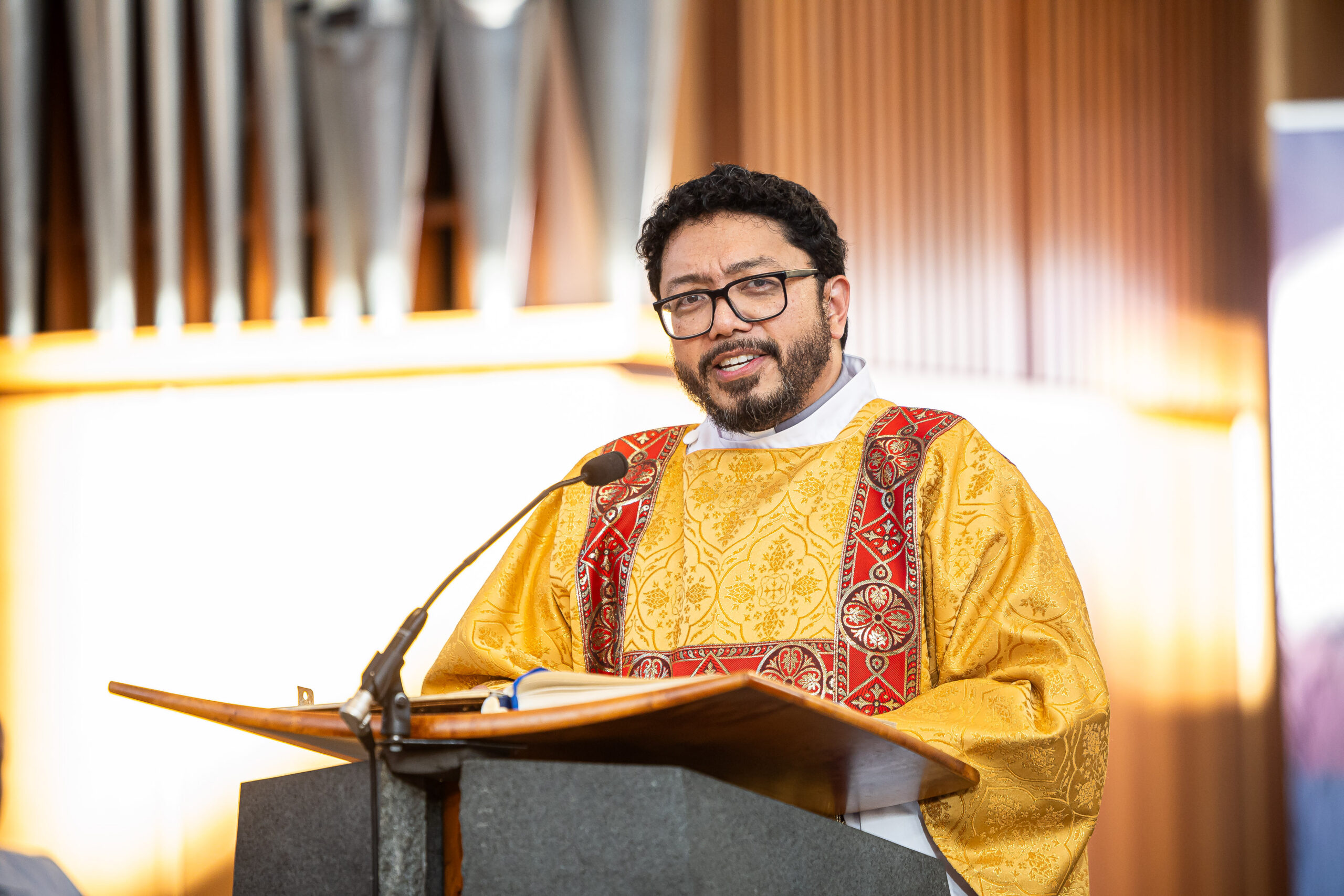
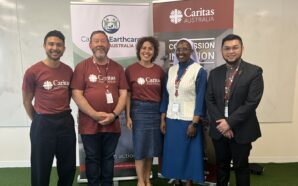
Deacon Adrian Gomez. Image: Alphonsus Fok/ Diocese of Parramatta
This story reminds us of something further at the heart of our faith: that every human person possesses a dignity that does not depend on whether they are remembered by the world. Our worth is not erased by death, nor is a life made meaningless because its story is eventually forgotten by most people. It is said that for most of us, our memory remains only until the death of our last grandchild. But we believe that every person is known and cherished by God.
In the Gospel, Jesus tells us that not even a sparrow is forgotten before God. How much more then does God remember each human life? The Christian hope is that death does not have the final word, that life is changed, not ended. We remember our dead because we believe that those we have loved remain held in the love of God. “We do not grieve as those who have no hope.” (1 Thess 4:13) When we pray for the dead this November, we entrust them to God’s mercy and place our grief within the larger hope of the Resurrection.
This changes the meaning of Remembrance Day. We do not remember war because war is glorious. We remember because human life is precious. We remember the terrible cost of violence because we desire peace. We remember the dead because they deserve to be remembered. And we remember so that their sacrifice, their suffering and their humanity might challenge those of us who live now. As Christians, we are called not simply to remember the dead, but to allow remembrance to transform the living.
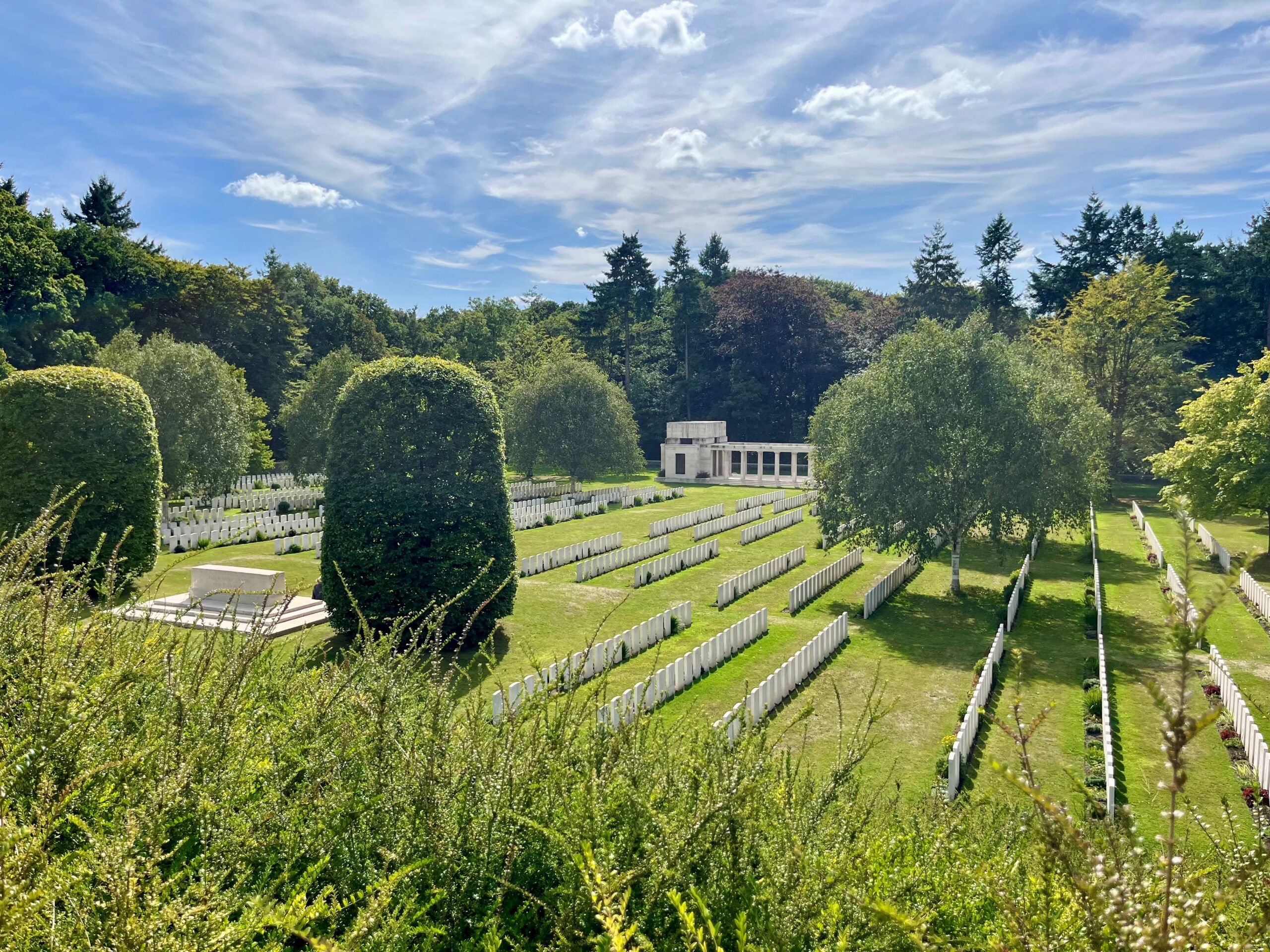
Image: Deacon Adrian Gomez.
In Flanders fields, among those endless rows of white headstones, I found myself thinking that perhaps remembrance is ultimately an act of hope. We remember because love refuses to say that a person’s life was meaningless. We remember because we believe that every person has a name, a story and a dignity that cannot be taken away by death. We remember in order to become people who value the gift of life more deeply, who seek peace more earnestly, and who live with a greater awareness of the people and the stories that have made us who we are.
At the going down of the sun, and in the morning, we will remember them.
Deacon Adrian Gomez
Chaplain, RAN
Reserve Support Chaplain
HMAS Kuttabul